Acupuncture for Back Pain: Clinical Insights, Proven Benefits & What to Expect
April 11, 2026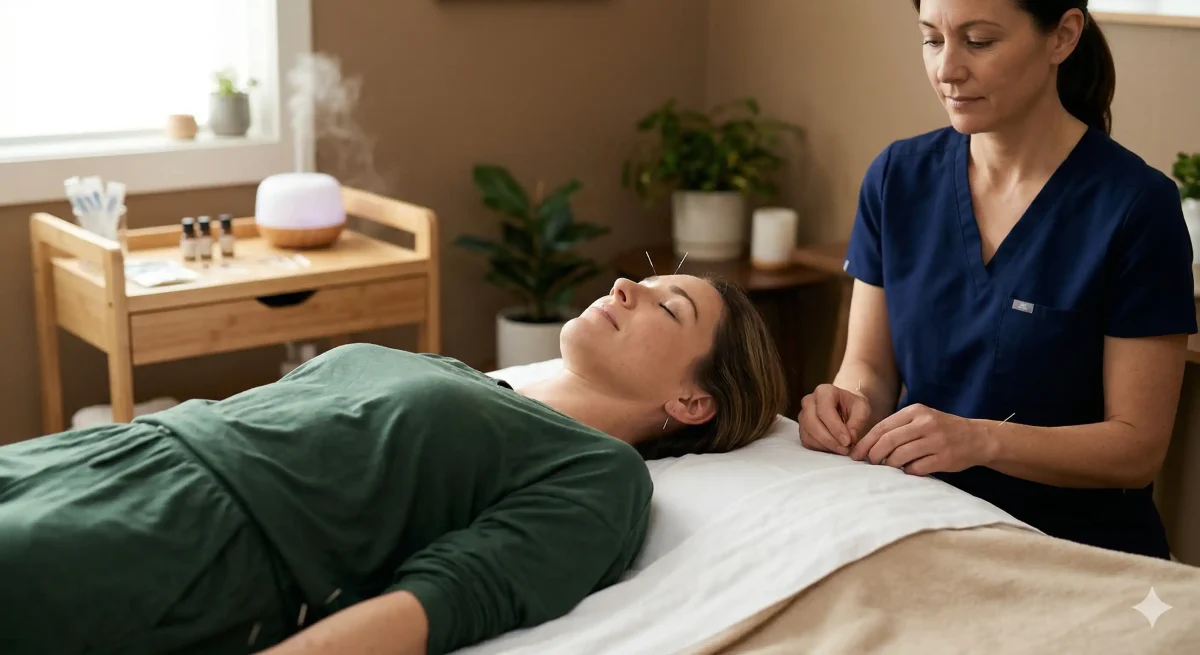
Introduction
Struggling with anxiety and stress? You’re not alone—and you don’t have to rely solely on medication to find relief. In this guide, we break down what’s actually happening in your body, what science says about natural solutions, and how holistic treatments like acupuncture and cupping therapy can help regulate your nervous system and restore your calm.
What Is Anxiety and Stress?
anxiety and stress are two of the most common health challenges of modern life — yet they’re often misunderstood, misdiagnosed, and undertreated. At their core, both are rooted in your body’s survival response. But when they become chronic, they shift from protective to destructive.

Difference Between Stress and Anxiety
Stress is typically triggered by an external cause — a deadline, a conflict, financial pressure. It’s your body’s response to a real demand placed on it. Remove the stressor, and stress generally fades.
Anxiety, on the other hand, persists even without an obvious trigger. It’s a state of ongoing internal alarm — worry, dread, and physical tension that can continue long after the stressor is gone. The American Psychological Association defines anxiety as characterized by “persistent and excessive worry” that feels difficult to control.
Both activate your fight-or-flight response, flooding your body with cortisol and adrenaline. The problem? Modern life keeps that alarm switched on — and the body was never designed for that.
Common Symptoms
Recognizing symptoms early gives you the best chance of intervention before they spiral into chronic conditions.
Emotional symptoms:
- Constant worry or sense of dread
- Irritability, mood swings, or emotional numbness
- Difficulty concentrating or brain fog
- Feeling overwhelmed by everyday tasks
Physical symptoms:
- Tension headaches, jaw clenching, or neck tightness
- Rapid heartbeat or chest tightness
- Digestive issues — bloating, nausea, IBS flare-ups
- Sleep disturbances and fatigue
- Muscle soreness with no clear physical cause
What Causes Anxiety and Stress?
Understanding root causes is the first step toward lasting relief — not just symptom management.
Lifestyle Factors
Your daily habits have a profound effect on your anxiety and stress levels. Common contributors include:
- Sleep deprivation: Even one night of poor sleep elevates cortisol and heightens emotional reactivity
- Sedentary behavior: Physical inactivity reduces endorphins and disrupts the stress-release cycle
- Excessive screen time and news consumption: Constant stimulation keeps the amygdala (your brain’s threat detector) on high alert
- Social isolation: Lack of human connection is directly linked to elevated anxiety and cortisol
- Overwork and burnout: When recovery never happens, the nervous system stays in a state of chronic arousal
Hormonal Imbalance (Cortisol)
Cortisol is your primary stress hormone — and it’s meant to save your life in emergencies. In short bursts, it’s brilliant. Chronically elevated, it becomes a biological wrecking ball.
Research shows that sustained high cortisol levels:
- Suppresses immune function
- Disrupts sleep by interfering with melatonin
- Promotes inflammation throughout the body
- Affects memory, concentration, and mood regulation
- Can trigger or worsen anxiety disorders over time
Holistic approaches — including acupuncture, breathwork, and adaptogens — work in part by helping to normalize cortisol rhythms without pharmaceutical intervention.
Nervous System Dysregulation
This root cause is what most conventional approaches overlook.
Your autonomic nervous system has two modes: the sympathetic (which prepares your body for action) and the parasympathetic (which helps your body relax and recover). When you experience chronic anxiety and stress, your nervous system becomes stuck in sympathetic overdrive—unable to fully shift into rest.
This is called nervous system dysregulation, and it’s at the core of most anxiety disorders, burnout, and stress-related illness. The solution isn’t willpower — it’s targeted techniques that signal safety to your nervous system. More on this in the Nervous System Regulation section below.
Effects of Chronic Anxiety and Stress on the Body
Short-term stress is manageable. Chronic anxiety and stress left untreated is a whole different story.
Mental Health Impact
Chronic stress and untreated anxiety don’t stay contained. Over time, they reshape the brain itself — particularly regions involved in memory, decision-making, and emotional regulation:
- Elevated risk of developing generalized anxiety disorder (GAD), panic disorder, or depression
- Cognitive decline — chronic cortisol literally shrinks the hippocampus
- Emotional dysregulation — increased reactivity, lower frustration tolerance
- Burnout recovery becomes harder the longer the condition persists
Physical Symptoms
The mind-body connection is not a metaphor — it’s biology. Chronic anxiety and stress manifest physically in ways that often get misattributed:
- Musculoskeletal: Chronic pain, tension headaches, fibromyalgia-like symptoms
- Cardiovascular: Elevated blood pressure, increased heart disease risk
- Digestive: IBS, acid reflux, gut microbiome disruption
- Immune: Frequent illness, slow wound healing, increased inflammation markers
- Skin: Stress-triggered eczema, psoriasis, or acne flare-ups
Long-Term Health Risks
The data here is impossible to ignore. Sustained anxiety and stress are linked to:
- A 50% higher risk of heart disease in chronically stressed individuals (American Heart Association)
- Shortened telomere length — meaning stress accelerates cellular aging
- Metabolic disruption: weight gain, insulin resistance, and type 2 diabetes risk
- Autoimmune flare-ups driven by chronic inflammation
- Significantly reduced quality of life and lifespan
This is why treating anxiety and stress early — and holistically — isn’t optional. It’s essential preventive healthcare.
| Category | Key Effects | What It Means for You |
|---|---|---|
| Mental Health Impact | Increased risk of anxiety disorders (GAD), panic disorder, depression | Long-term stress rewires brain function, making emotional control and mental clarity harder |
| Cognitive decline (hippocampus shrinkage due to cortisol) | Memory, focus, and decision-making gradually weaken over time | |
| Emotional dysregulation | Higher irritability, mood swings, and low stress tolerance | |
| Burnout progression | Recovery becomes slower the longer stress continues untreated | |
| Physical Symptoms | Musculoskeletal issues (chronic pain, tension headaches, fibromyalgia-like symptoms) | Persistent body aches and stiffness without clear injury |
| Cardiovascular strain (high blood pressure, heart disease risk) | Increased strain on the heart and circulatory system | |
| Digestive problems (IBS, acid reflux, gut imbalance) | Ongoing bloating, discomfort, and poor digestion | |
| Immune suppression | Frequent illness, slower healing, chronic inflammation | |
| Skin conditions (eczema, acne, psoriasis flare-ups) | Visible stress responses a |
Natural Ways to Reduce Anxiety and Stress
Before anything else, there are evidence-backed, zero-cost tools that work with your biology. Think of these as your daily foundation.
Breathing Techniques
Your breath is the fastest pathway to your parasympathetic nervous system. Unlike heart rate or digestion, breathing is both automatic and voluntary — making it your most accessible nervous system tool.
The most effective techniques:
- Box Breathing (4-4-4-4): Inhale 4 counts → Hold 4 → Exhale 4 → Hold 4. Used by Navy SEALs for acute stress regulation.
- 4-7-8 Breathing: Inhale 4 → Hold 7 → Exhale 8. The extended exhale activates the vagus nerve and parasympathetic response within minutes.
- Physiological Sigh: Double inhale through the nose, then a long exhale through the mouth. Stanford research shows this is the fastest way to reduce physiological stress in real time.
Practicing for just 5 minutes daily can measurably lower resting cortisol levels within weeks.
Meditation and Mindfulness
Mindfulness-based stress reduction (MBSR) has over 40 years of clinical research behind it. Regular meditation practice:
- Reduces amygdala reactivity (your brain’s alarm system gets quieter)
- Increases gray matter in the prefrontal cortex (better decision-making, less reactivity)
- Lowers cortisol levels and inflammatory markers
- Improves sleep quality and emotional regulation
Even 10 minutes daily using apps like Insight Timer, Calm, or Headspace creates measurable neurological change within 8 weeks.
Sleep Optimization
Sleep isn’t passive recovery — it’s when your nervous system processes stress. Inadequate sleep is both a cause and a consequence of anxiety and stress. Breaking the cycle requires prioritizing sleep hygiene:
- Maintain consistent sleep and wake times (even on weekends)
- Keep your bedroom cool (65–68°F / 18–20°C is optimal for deep sleep)
- Eliminate blue light 1–2 hours before bed (screens suppress melatonin)
- Consider magnesium glycinate before bed — clinically shown to reduce cortisol and support sleep quality
- Avoid caffeine after 2 PM — its half-life means it’s still active at midnight
Diet and Gut Health
The gut-brain axis is one of the most exciting areas of anxiety research. Your gut produces approximately 90% of your body’s serotonin — which means what you eat directly affects your mood, anxiety levels, and stress resilience.
Evidence-based dietary strategies for anxiety and stress relief:
- Prioritize omega-3 fatty acids (fatty fish, walnuts, flaxseed) — shown to reduce anxiety symptoms by up to 20% in clinical trials
- Support gut microbiome diversity with fermented foods: kefir, kimchi, sauerkraut, yogurt
- Reduce sugar and ultra-processed food—both drive inflammation, which is strongly linked to anxiety and depression
- Magnesium-rich foods: Dark leafy greens, pumpkin seeds, dark chocolate — magnesium deficiency is directly linked to increased anxiety
- Adaptogenic herbs: Ashwagandha, Rhodiola, and Holy Basil are all clinically supported for cortisol regulation and stress relief
| Method | Key Techniques | Benefits | How to Apply Daily |
|---|---|---|---|
| Breathing Techniques | Box breathing (4-4-4-4), 4-7-8 breathing, physiological sigh | Activates parasympathetic nervous system, reduces cortisol, calms stress instantly | Practice 5 minutes daily; use during high-stress moments for immediate relief |
| Meditation & Mindfulness | Mindfulness meditation, guided apps, MBSR practices | Reduces amygdala reactivity, improves emotional control, lowers stress hormones | Start with 10 minutes daily using apps like Calm or Headspace |
| Sleep Optimization | Consistent sleep schedule, cool room (18–20°C), no screens before bed | Enhances recovery, regulates cortisol, improves mental clarity and mood | Sleep and wake at the same time daily; avoid caffeine after 2 PM |
| Diet & Gut Health | Omega-3 foods, fermented foods, magnesium-rich diet | Supports serotonin production, reduces inflammation, improves stress resilience | Add fish, nuts, yogurt, leafy greens; reduce processed foods and sugar |
| Adaptogenic Support | Ashwagandha, Rhodiola, Holy Basil | Helps regulate cortisol, improves stress tolerance, supports nervous system balance | Use under guidance; consistent intake improves long-term stress response |
How Holistic Treatments Help Anxiety and Stress
Natural lifestyle changes are powerful — but for many people with moderate to severe anxiety and stress, they need professional support. This is where integrative wellness therapies provide a genuine clinical advantage.
Acupuncture for Anxiety Relief
→ Learn about our Acupuncture Services (link your acupuncture page here)
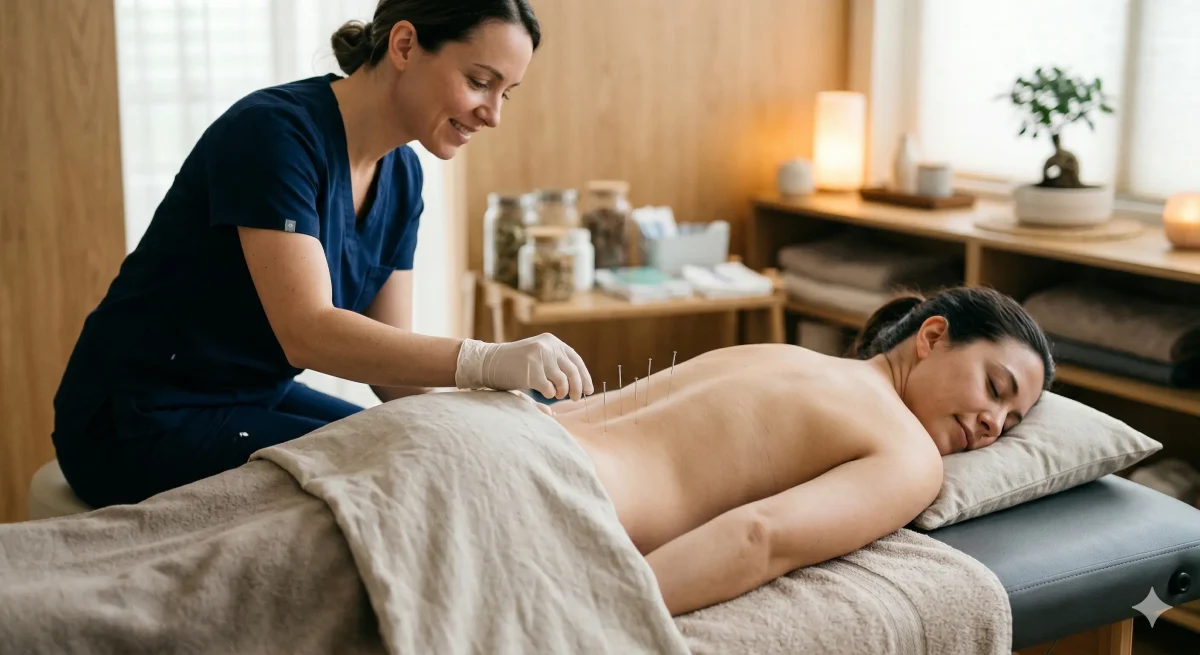
Acupuncture is one of the most well-researched holistic treatments for anxiety and stress — and it works through mechanisms that Western medicine is now taking seriously.
Here’s what the science shows:
- A 2013 study published in the Journal of Acupuncture and Meridian Studies found acupuncture treatment significantly reduced anxiety scores and normalized cortisol levels
- Acupuncture stimulates the vagus nerve — your primary parasympathetic pathway — shifting the nervous system out of fight-or-flight and into rest-and-heal
- It triggers the release of endorphins, serotonin, and GABA — your brain’s natural calming neurotransmitters
- Regular sessions have been shown to reduce HPA axis hyperactivation (the stress-response system that drives chronic anxiety)
- Multiple clinical trials support acupuncture as a safe, effective complementary treatment for generalized anxiety disorder (GAD) and burnout recovery
Patients often report feeling deeply calm during and after sessions — not because of placebo, but because the treatment is directly engaging your nervous system’s off switch.
Cupping Therapy for Stress Reduction
→ Explore our Cupping Therapy Services (link your cupping page here)
Cupping therapy may be ancient, but its stress-relieving mechanisms are firmly grounded in physiology.
By creating negative pressure on the skin and underlying fascia, cupping:
- Releases myofascial tension — the deep muscular holding patterns that accumulate during chronic stress
- Stimulates the parasympathetic nervous system through skin receptor activation
- Promotes local circulation and lymphatic drainage, reducing the inflammatory compounds that contribute to anxiety symptoms
- Triggers a deep relaxation response that patients describe as “releasing weight they didn’t know they were carrying”
For individuals carrying physical stress in the shoulders, neck, and upper back — the most common stress storage sites — cupping provides a level of release that massage and stretching alone often can’t achieve.
Integrative Wellness Approach
→ View All Our Wellness Services (link your services page here)
The most effective approach to anxiety and stress relief isn’t a single treatment — it’s a coordinated strategy.
An integrative mental health approach combines:
- Biological regulation — acupuncture, cupping, dietary support
- Nervous system retraining — breathwork, vagus nerve techniques, mindfulness
- Lifestyle optimization — sleep, movement, stress exposure management
- Professional guidance — working with practitioners who understand the whole person
This is what separates lasting recovery from temporary symptom management. At our clinic, we build personalized wellness protocols that address the root cause of your anxiety and stress — not just the surface.
Nervous System Regulation Techniques
For many people with anxiety and stress, the body has essentially forgotten how to feel safe. Nervous system regulation techniques are designed to teach it again.
Vagus Nerve Activation
The vagus nerve is your longest cranial nerve, running from your brainstem to your gut and connecting to virtually every major organ. It’s the primary pathway of the parasympathetic nervous system — your body’s built-in calm.
Stimulating it is one of the most effective ways to reduce anxiety and stress naturally:
- Cold water face immersion: Submerging your face in cold water for 30 seconds triggers the dive reflex, immediately activating the vagus nerve
- Humming, chanting, or gargling: These vibrate the vagal nerve branches in the throat
- Slow, extended exhale breathing (as described above)
- Acupuncture at specific points — particularly ST36, PC6, and HT7 — has documented vagal activation effects
- Gentle neck and upper chest massage — stimulates vagal nerve branches near the surface
Grounding Techniques
Grounding (also called “earthing”) techniques interrupt the anxiety cycle by anchoring attention to the present moment — bypassing the ruminative thinking that feeds chronic stress:
- 5-4-3-2-1 sensory technique: Name 5 things you see, 4 you feel, 3 you hear, 2 you smell, 1 you taste. Clinically used in trauma and anxiety treatment.
- Barefoot grounding: Walking barefoot on grass, soil, or sand — research suggests direct earth contact may modulate the inflammatory and cortisol responses
- Cold/warm water contrast: Alternating hand washing in cool and warm water activates the sensory nervous system and disrupts the anxious thought loop
Daily Stress Reset Methods
Think of these as “cortisol clearing” practices — brief but consistent:
- Morning sunlight exposure (10–15 min): Anchors your circadian cortisol rhythm, which directly impacts daily anxiety levels
- Physical movement: Even a 20-minute brisk walk reduces cortisol measurably; strength training normalizes HPA axis response over time
- Social connection: Even brief quality human interaction activates oxytocin, which directly counteracts cortisol
- Journaling: Expressive writing has 30+ years of research supporting its role in reducing anxiety and processing stress
- Evening wind-down ritual: A consistent 30–60 minute decompression before sleep resets the nervous system for overnight recovery
When to Seek Professional Help
Natural strategies are powerful — but there are times when professional support isn’t optional.
Signs You Should Not Ignore
Please don’t wait if you’re experiencing:
- Anxiety or stress that has persisted for more than 2–3 weeks without relief
- Panic attacks — sudden, intense episodes of fear with physical symptoms (racing heart, shortness of breath, dizziness)
- Avoidance behaviors — canceling plans, avoiding situations, or withdrawing from life
- Sleep completely disrupted — taking more than an hour to fall asleep, or waking in the night unable to return to sleep
- Physical symptoms worsening — new or intensifying digestive issues, chronic pain, or heart palpitations
- Using alcohol, cannabis, or other substances to manage anxiety
- Thoughts of self-harm or hopelessness
These symptoms indicate that your nervous system needs professional support — and the good news is that effective, natural treatment options exist.
Benefits of Holistic Clinics
A holistic clinic offers something that conventional medicine often can’t: time, whole-person assessment, and root-cause treatment.
At a quality integrative wellness clinic, you can expect:
- A comprehensive intake that looks at your physical health, lifestyle, sleep, diet, emotional history, and stress patterns
- A personalized treatment plan that coordinates therapies for maximum effect
- Practitioners trained to understand how the nervous system, hormonal system, and emotional health interact
- Non-pharmaceutical options that have genuine clinical evidence behind them
- An ongoing therapeutic relationship — not a 10-minute appointment
The most important thing to know: seeking help is not weakness. It’s the most effective thing you can do.
Final Take
Anxiety and stress are not character flaws, signs of weakness, or problems to simply push through. They are physiological signals — your nervous system asking for support.
The good news? You have more tools available than you may realize. From the science of cortisol regulation to the clinical evidence behind acupuncture and cupping therapy, natural and holistic treatments for anxiety and stress are not alternative — they’re increasingly essential.
Your path forward starts with one decision: to take your nervous system health as seriously as any other aspect of your wellbeing.
Ready to take the first step?
👉 Book an Acupuncture Consultation — and experience what nervous system regulation feels like from the inside out.
👉 Explore Our Full Wellness Services — personalized, integrative care for anxiety, stress, burnout, and beyond.
Your calm is not gone. It just needs the right support to find its way back.
Frequently Asked Questions
Does acupuncture help back pain in Rockville, MD?
Yes, acupuncture is widely used in Rockville, MD for treating lower back pain, sciatica, and chronic muscle tension. At clinics like VitaLife Wellness, treatments focus on reducing inflammation, improving circulation, and restoring nerve balance, helping patients experience natural, long-term pain relief without relying heavily on medication for anxiety and stress
How many acupuncture sessions are needed for back pain relief?
Most patients need 4–8 acupuncture sessions for noticeable back pain relief, depending on severity. Chronic lower back pain may require ongoing care. Clinics in Rockville, Maryland often create personalized treatment plans to target the root cause, not just symptoms, improving long-term mobility and reducing recurrence.
. Is acupuncture safe for chronic back pain treatment?
Acupuncture is considered safe when performed by licensed practitioners. In Rockville, MD, certified clinics like VitaLife Wellness follow strict sterile protocols. Side effects are minimal, typically mild soreness or slight bruising, making it a low-risk, non-invasive option for chronic back pain management and holistic wellness care.
Can acupuncture treat sciatica and nerve-related back pain?
Yes, acupuncture is effective for sciatica and nerve-related back pain. It targets pressure points that reduce nerve inflammation and improve blood flow. Many patients in Rockville, Maryland choose acupuncture as a natural alternative to manage radiating leg pain, stiffness, and nerve compression without surgery.
How much does acupuncture for back pain cost in Rockville, MD?
The cost of acupuncture for back pain in Rockville, MD typically ranges from $60 to $120 per session. Some clinics, including VitaLife Wellness, offer package pricing and accept insurance plans. Medicare may cover acupuncture for chronic low back pain, making it more accessible for long-term treatment.
Where can I find the best acupuncture clinic for back pain near me?
If you’re searching for the best acupuncture clinic for back pain near you, look for licensed practitioners with experience in chronic pain management. VitaLife Wellness in Rockville, MD stands out for its personalized treatments, combining acupuncture, cupping, and holistic therapies to deliver effective, patient-focused results.